2024 - American Service

  • How to Choose a Reliable Home Appliance Repairman: Tips and Recommendations

    When your refrigerator starts making noise or your washing machine goes on strike, finding a reliable repairman is as important as avoiding casinos sin licencia en España. But with so many options, how do you choose the right one? Let’s take a look at a few practical tips and recommendations to help you find a reliable appliance repairman.

    Check for Certifications and Licenses

    Just like you wouldn’t hire a doctor without a medical degree, you shouldn’t hire an appliance repairman without proper certification. In many areas, repair professionals are required to hold licenses or certifications to ensure they meet industry standards. For example:

    • EPA Certification: This is essential for technicians working on refrigeration appliances.
    • State Licenses: Requirements vary by state, but many have licensing requirements for electrical or HVAC work.

    Why It Matters

    Certifications and licenses are more than just fancy pieces of paper—they indicate that the repairman has undergone specific training and adheres to industry standards. Think of it as the difference between a licensed pilot and someone who’s just flown a plane in a video game!

    CriteriaWhat to Look ForWhy It Matters
    Certifications and LicensesCheck for certifications (e.g., EPA) and state licensesCertifications and licenses indicate qualification and adherence to industry standards
    Experience and ExpertiseYears of experience, specialization in specific types of appliancesExperienced technicians handle problems more quickly and effectively
    Reviews and ReferencesCheck online reviews (Yelp, Google Reviews) and ask for referencesReviews provide insight into the technician’s work quality and reliability
    Quotes and EstimatesObtain written estimates from several techniciansComparing prices helps avoid overpaying and find the best deal
    Communication and ProfessionalismPrompt response, clarity in communication, neat appearanceGood communication and professionalism indicate quality service

    Additional Information:

    • Certifications and Licenses: For example, in the U.S., technicians repairing refrigerators need an EPA certification to handle refrigerants. This is a mandatory requirement for safe operation.
    • Experience and Expertise: If you have a specific brand of washing machine, it’s better to choose a technician who specializes in that brand.
    • Reviews and References: The average star rating on Google Reviews can give you an idea of the technician’s reputation. Positive reviews generally indicate customer satisfaction and reliability.
    • Quotes and Estimates: Average repair costs can vary depending on the complexity of the job and the region. Getting multiple estimates helps you determine a fair price.
    • Communication and Professionalism: If a technician is unresponsive or doesn’t explain the repair details, it could be a red flag. A professional technician always provides clear information about the process and cost.

    Look for Experience and Expertise

    Experience counts, especially when it comes to repairing complex home appliances. A repairman with years of hands-on experience is more likely to handle your issue efficiently. Here’s a quick checklist:

    • Years in Business: A repairman with 5+ years of experience is generally more reliable.
    • Specializations: Some repairmen specialize in certain types of appliances or brands. Make sure they’re familiar with your specific appliance.

    Why It Matters

    Experienced repairmen have dealt with a wide range of issues and know how to troubleshoot problems effectively. It’s like hiring a seasoned chef who’s cooked every dish on the menu versus a newbie who’s still figuring out the basics.

    Check Reviews and References

    One of the best ways to gauge a repairman’s reliability is to check what previous customers have to say. Online reviews and references provide a snapshot of the repairman’s service quality. Look for:

    • Customer Reviews: Websites like Yelp, Google Reviews, and Angie’s List offer honest feedback from previous clients.
    • References: Ask the repairman for references and contact them to get firsthand accounts of their work.

    Why It Matters

    Reviews and references act as a window into the repairman’s work ethic and reliability. It’s like reading a book’s reviews before buying it—you want to know if it’s worth your time and money.

    Get Multiple Quotes

    Before settling on a repairman, it’s wise to get quotes from at least three different professionals. This will help you understand the average cost of the repair and avoid overpaying. Here’s what to look for:

    • Written Estimates: Ensure the quotes are detailed and include labor, parts, and any other potential costs.
    • Comparative Costs: Don’t just go for the cheapest option; consider the balance between cost and quality.

    Why It Matters

    Getting multiple quotes helps you avoid sticker shock and ensures you’re getting a fair price. It’s like shopping around for a new car—you wouldn’t buy the first one you see without comparing options.

    5. Evaluate Communication and Professionalism

    A reliable repairman should be professional and easy to communicate with. Consider these aspects:

    • Response Time: How quickly do they respond to your call or message?
    • Communication Skills: Are they clear and transparent about the repair process and costs?
    • Professional Attire: Do they arrive in a clean uniform and with the right tools?

    Why It Matters

    Good communication and professionalism are indicators of a repairman who values customer service. It’s like hiring a contractor who shows up on time and explains the project in detail—professionalism matters!

    Choosing a reliable home appliance repairman doesn’t have to be a daunting task. By checking for certifications, looking at experience, reading reviews, getting multiple quotes, and evaluating professionalism, you can ensure that your repair needs are handled efficiently and effectively.

    FAQs

    1. What if I can’t find a certified repairman?

    • If certification is hard to find, ensure the repairman has solid experience and positive reviews. Sometimes, practical experience and customer satisfaction can outweigh formal certification.

    2. How can I tell if a repairman is overcharging?

    • Compare multiple quotes and check if the costs align with industry standards. Be cautious of quotes significantly lower or higher than average.

    3. What should I do if the repairman does not fix the problem?

    • Contact them to explain the issue and request a follow-up. Most reliable repairmen will address issues that persist after their service.

    Now that you’re equipped with these tips, you’ll be able to find a home appliance repairman who can get your appliances back in tip-top shape!
  • How to Identify and Troubleshoot Common Washing Machine Faults: A Complete Guide

    Hey there! Ever faced the dreaded moment when your washing machine decides to play dead or, worse, makes noises that sound like it’s having a midlife crisis? Don’t worry—you’re not alone! Washing machines are like our trusty sidekicks in the laundry room, but they sometimes need a little TLC. Let’s dive into how to spot and fix common washing machine issues so you can get back to clean clothes and peace of mind.

    Understanding the Basics of Washing Machine Troubleshooting

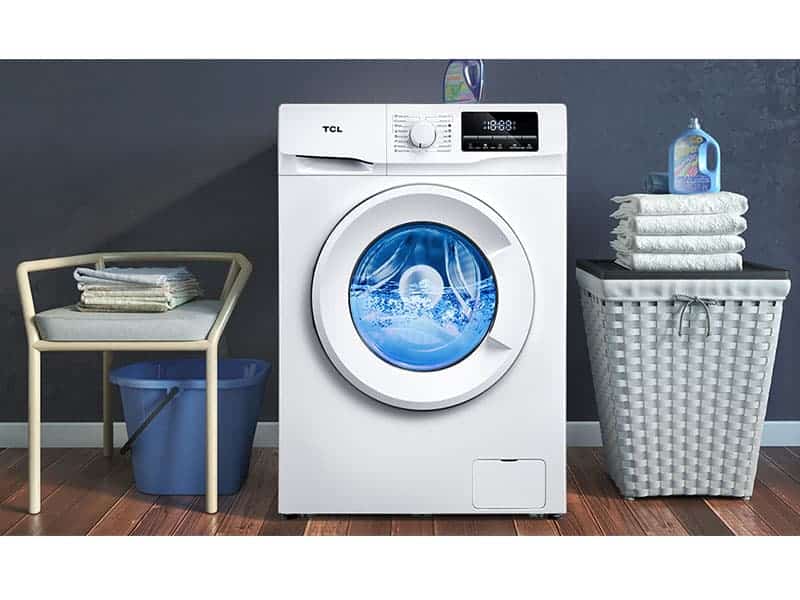
    Before we jump into troubleshooting, let’s cover the basics. Washing machines, whether they’re front-load or top-load, generally have similar components: a drum, a motor, a pump, and a control panel. When things go awry, it’s often due to these components not functioning as they should.

    1. Washing Machine Won’t Start

    Problem: Your washing machine is completely unresponsive.

    Possible Causes and Solutions:

    CauseSolution
    Power Supply IssuesCheck if the machine is plugged in. Verify the outlet with another device.
    Faulty Door/Lid SwitchEnsure the door or lid is properly closed. Replace the switch if faulty.
    Broken Start SwitchTest the start switch with a multimeter. Replace it if necessary.

    Historical Insight: Did you know that the first automatic washing machine, introduced by Bendix in 1937, had similar issues? Early models struggled with power and mechanical faults, which were a significant upgrade from manual washing but still had room for improvement.

    2. Washing Machine Not Draining

    Problem: Water remains in the drum after the cycle ends.

    Possible Causes and Solutions:

    CauseSolution
    Clogged Drain HoseCheck the hose for clogs or kinks and clean or replace it.
    Faulty Drain PumpInspect the pump for blockages or damage. Replace if needed.
    Obstructed FilterRemove and clean the filter.

    Historical Insight: According to a 2023 study by Consumer Reports, drainage issues are among the top complaints for modern washing machines. Ensuring regular maintenance can help prevent these issues.

    3. Washing Machine Making Loud Noises

    Problem: Your washing machine sounds like it’s auditioning for a rock band.

    Possible Causes and Solutions:

    CauseSolution
    Loose Drum BearingsListen for grinding noises. If present, replace bearings.
    Foreign Objects in DrumCheck the drum for coins or other items. Remove them.
    Worn-Out Drive BeltInspect and replace if frayed or damaged.

    Historical Insight: In 1950, the average washing machine was much louder than today’s models. With advancements in technology, noise reduction has become a key feature, but issues still arise.

    4. Washing Machine Leaking Water

    Problem: Water is pooling around your washing machine.

    Possible Causes and Solutions:

    CauseSolution
    Loose Hose ConnectionsTighten all hose connections. Check for any cracks.
    Damaged Door SealInspect and replace the door seal if it’s worn or torn.
    Overloading the MachineAvoid overloading to ensure proper water distribution.

    Historical Insight: The first washing machines with water seals, introduced in the 1960s, aimed to prevent leaks. Despite this, leaking remains a common issue due to wear and tear.

    5. Washing Machine Stuck on a Cycle

    Problem: The machine won’t move past a certain cycle.

    Possible Causes and Solutions:

    CauseSolution
    Faulty TimerTest and replace the timer if it’s not advancing.
    Malfunctioning Control BoardInspect for any visible damage or malfunction. Replace if necessary.
    Blocked Water Inlet ValveCheck and clean the valve if it’s clogged.

    Historical Insight: The control boards in washing machines evolved from simple mechanical timers to sophisticated electronic systems in the 1980s, improving functionality but also introducing new issues.

    So there you have it! Identifying and troubleshooting common washing machine faults can seem daunting, but with these tips and a bit of patience, you’ll be back to washing like a pro. Remember, regular maintenance is key to avoiding many of these problems. If you find yourself in over your head, don’t hesitate to call in a professional—sometimes a little expert help goes a long way!

    FAQs

    Q1: How often should I clean the filter in my washing machine?
    A1: It’s a good idea to check and clean the filter every few months, or more frequently if you notice issues with draining.

    Q2: My washing machine makes a loud noise during spin cycle—should I be worried?
    A2: Yes, loud noises during the spin cycle could indicate worn-out drum bearings or a foreign object in the drum. Inspect and address the issue to avoid further damage.

    Q3: Can overloading my washing machine cause it to leak?
    A3: Absolutely. Overloading can strain the machine and cause leaks due to excess pressure on hoses and seals. Always follow the manufacturer’s guidelines for load capacity.

  • Repairing and Maintaining Your Gaming Chair: A DIY Guide

    Introduction

    Ever thought about how much time you spend in your gaming chair? If you’re like most gamers, it’s probably a lot. That’s why keeping your throne in top-notch condition isn’t just about comfort – it’s about preserving your gaming sanctuary. Let’s face it, a well-maintained chair can be the difference between an epic gaming session and a backache-induced rage quit. So, buckle up as we dive into the world of gaming chair TLC, where we’ll turn you into a DIY repair wizard faster than you can say “respawn”!

    Tools and Materials Needed

    Before we jump into the nitty-gritty of chair repair, let’s gear up with the right tools. Think of this as equipping your inventory for a boss battle – you wouldn’t go in unprepared, would you? Here’s what you’ll need:

    1. Screwdrivers (Phillips and flathead) – your trusty sidearms
    2. Allen wrenches – the skeleton keys of the repair world
    3. WD-40 or silicone spray – liquid magic for squeaky parts
    4. Clean cloths – for wiping away the grime of a thousand gaming sessions
    5. Replacement parts (if needed) – gas lift cylinder, casters, armrests, etc.
    6. Pliers – for when things get a bit stubborn
    7. A willing spirit and patience – because let’s be honest, you’ll need it!

    Remember, having these tools on hand is like having a good loadout – making your mission much easier.

    Common Issues and How to Identify Them

    Alright, let’s get down to business. Your gaming chair, like any battle-hardened veteran, is bound to show some wear and tear. But fear not! Recognizing the enemy is half the battle. Let’s break down the most common issues you might face and how to spot them.

    The Squeaky MenaceYou know that annoying squeak that sounds like a tiny mouse is trapped in your chair? Yeah, that’s not part of the sound design of your game. Squeaks usually occur when metal or plastic parts rub against each other without proper lubrication. To identify the source, sit in the chair and move around, listening carefully. Is it coming from below? Might be the gas lift or wheels. From the back? Could be the recline mechanism. Pinpointing the location is crucial for our repair strategy.

    The Sinking FeelingEver feel like you’re slowly descending into the abyss during an intense gaming session? That’s your chair’s gas lift cylinder waving the white flag. If your chair won’t stay up or slowly sinks when you sit on it, you have a classic case of a faulty gas lift. This is usually due to wear and tear on the cylinder’s seal, allowing the pressurized gas to escape.

    The Leaning Tower of GamingIs your chair starting to resemble the Leaning Tower of Pisa? A few culprits can cause an uneven tilt. It could be loose screws in the tilt mechanism, worn-out washers, or even a bent metal plate. Check if the lean is consistent or only happens when you sit in a certain position. This will help narrow down the cause.

    The Wobbly WandererIf your chair feels less stable than your connection during an online match, you might have a case of the wobbles. This can be due to loose screws in the base, worn-out casters, or even a cracked base plate. Give your chair a gentle shake – if it feels like it’s dancing the cha-cha, you have some tightening.

    The Armrest UprisingArmrests are the unsung heroes of gaming chairs, but they can rebel too. If they’re loose, stuck, or won’t adjust properly, it’s time for some TLC. Check for any visible damage, loose screws, or if the adjustment mechanisms are jammed.

    The Cushion CrusherOver time, even the most luxurious padding can lose its oomph. If you feel more bored than cloud when you sit, your cushions might be crying out for help. Look for visible flattening, uneven wear, or if you can feel the hard base through the padding.

    The Cover ConundrumLastly, let’s talk aesthetics. Peeling, fraying, or torn covers look bad and can lead to further damage if left unchecked. Inspect the fabric or leather closely, paying attention to seams and high-wear areas like the seat and backrest.

    Now, here’s a pro tip: prevention is key. Regular checks can catch these issues before they become game-enders. Set a reminder to give your chair a once-over every month or so. It’s like a health check-up, but for your gaming buddy.

    Remember, identifying these issues early can save you a lot of hassle (and coins) in the long run. Plus, it ensures you’re always seated in comfort, ready to take on whatever challenges your games throw at you. After all, a happy gamer is a victorious gamer!

    Step-by-Step Repair Guides

    Fixing a Squeaky Chair

    Ah, the infamous squeak – the bane of stealthy gamers everywhere. Let’s silence that noisy nuisance once and for all! First things first, identify the exact source of the squeak. Move around in the chair, applying pressure to different areas until you pinpoint the culprit.

    Once you’ve found it, it’s time to break out the lubricant. WD-40 or silicone spray works wonders here. But wait! Before you go spray-happy, here’s a word of caution: avoid getting lubricant on fabric or leather parts. Nobody wants a greasy gaming throne.

    Apply a small amount of lubricant to the squeaky joint or mechanism. A little goes a long way, so don’t overdo it. Work the chair through its full range of motion to distribute the lubricant evenly. If the squeak persists, you might need to disassemble the part for a more thorough application.

    Remember, safety first! If you’re uncomfortable taking things apart, it might be best to call in the pros. And whatever you do, don’t force any parts – that’s a surefire way to turn a small squeak into a big problem.

    Repairing a Sinking Chair

    Feeling like you’re slowly sinking into quicksand? It’s time to tackle that faulty gas lift cylinder. This is a bit more involved, but don’t worry – we’ll get through this together.

    First, flip your chair upside down and locate the retaining clip at the base of the cylinder. You’ll need to remove this to free the cylinder. A flathead screwdriver or pliers should do the trick.

    Once the clip is off, separate the base from the seat mechanism. This might take some elbow grease, so don’t be afraid to put your back into it (safely, of course).

    Now, you have two options: replace the entire cylinder or try a temporary fix. For a quick fix, you can wrap the cylinder in some pipe tape to create a tighter seal. But let’s be real – this is like putting a band-aid on a broken bone. For a permanent solution, you’ll want to replace the cylinder.

    Measure your old cylinder and order a replacement of the same size. Once you have the new one, simply reverse the disassembly process to install it. Voila! You’re back in action, sitting high and mighty.

    Adjusting Tilt and Recline Mechanisms

    Is your chair stuck in one position like a statue? Or maybe it’s flopping around like a fish out of water? Either way, it’s time to adjust that tilt and recline mechanism.

    Start by checking for loose screws. Tighten any you find, but be careful not to over-tighten – we’re not trying to fuse metal here.

    If tightening screws doesn’t solve the issue, you might need to adjust the tension. Look for a knob or bolt under the seat. Turning it clockwise will increase tension, making the chair harder to recline. Counterclockwise does the opposite.

    For more stubborn cases, you might need to disassemble the mechanism. This is where things get a bit tricky, so proceed with caution. Clean out any debris and lubricate moving parts. If you spot any damaged components, it’s replacement time.

    Remember, a smooth recline is the difference between relaxing like a boss and feeling like you’re wrestling an alligator every time you lean back.

    Regular Maintenance Tips

    Cleaning Different Materials

    Let’s face it, your gaming chair has seen things – snack crumbs, drink spills, and who knows what else. Keeping it clean isn’t just about looks; it’s about longevity.

    For leather chairs, a damp cloth with a bit of mild soap will do wonders. Wipe it down gently, then follow up with a dry cloth. Avoid harsh chemicals – they’re the nemesis of leather.

    Fabric chairs are a bit more forgiving. Vacuum regularly to prevent dust buildup, and for stains, use an appropriate fabric cleaner. Always test on a small, hidden area first – we don’t want any surprise color changes!

    For mesh chairs, a soft brush attachment on your vacuum is your best friend. For stubborn dirt, a little mild detergent in water can help, but be sure to dab, not rub.

    Lubrication and Tightening

    Think of this as giving your chair a spa day. Every few months, show some love to those moving parts. A drop of lubricant on hinges, wheels, and other moving components can prevent that dreaded squeak from returning.

    While you’re at it, go around and check all the screws and bolts. Tighten any loose ones you find. It’s like a mini tune-up for your chair, keeping everything running smoothly.

    Preventative Measures

    An ounce of prevention is worth a pound of cure, right? Here are some tips to keep your chair in tip-top shape:

    1. Respect the weight limit. Your chair isn’t a weight rack, so don’t treat it like one.
    2. Avoid extreme temperatures. Keep your chair away from heaters and direct sunlight.
    3. Use a chair mat. This protects your floor and your chair’s wheels.
    4. Rotate your chair. This ensures even wear, just like rotating your tires.

    When to Seek Professional Help

    Look, we all like to think we’re Tony Stark in the workshop, but sometimes, you need to call in the experts. If you’re dealing with a severely damaged frame, complex electrical components in high-end models, or if your DIY attempts have left you with more parts than you started with, it’s time to wave the white flag.

    Professional repair services have the tools and expertise to handle major overhauls. Plus, they can often source parts that aren’t readily available to the public. Sometimes, spending a bit on professional help can save you from having to buy a whole new chair.

    Conclusion

    And there you have it, fellow gamers – your comprehensive guide to keeping your gaming throne in royal condition. Remember, a well-maintained chair isn’t just about comfort; it’s about enhancing your entire gaming experience. Regular check-ups, prompt repairs, and a little TLC go a long way in extending the life of your trusty gaming companion.

    So, the next time you hear a squeak or feel a wobble, don’t just ignore it. Channel your inner mechanic and show your chair some love. After all, it’s been supporting you through countless victories (and a few defeats) – isn’t it time you returned the favor?

    Now, armed with this knowledge, go forth and game on – in comfort, style, and a squeak-free silence!

  • Troubleshooting Common PC Issues: Ensuring Smooth Online Casino Play

    Introduction

    Picture this: You’re on a hot streak at your favorite online casino, the virtual chips are piling up, and suddenly – bam! Your computer decides to throw a tantrum. We’ve all been there, right? In the world of online gambling, a smooth-running PC isn’t just a luxury; it’s your ticket to an uninterrupted gaming experience and potentially bigger winnings. But let’s face it, technology can be a fickle friend. From sluggish performance to connectivity hiccups, these pesky issues can turn your casino night into a frustrating ordeal. So, let’s dive into the world of troubleshooting and get your digital casino floor running like a well-oiled machine!

    Common PC Issues Affecting Online Casino Play

    Now, before we roll up our sleeves and get our hands dirty with fixes, let’s take a closer look at the usual suspects that can crash your casino party. Trust me, knowing your enemy is half the battle won!

    Slow Performance

    Ever felt like your computer’s moving slower than a snail in molasses? Yeah, that’s not gonna cut it when you’re trying to hit that jackpot. Slow performance is the arch-nemesis of online casino enthusiasts. It’s like trying to run a marathon in flip-flops – frustrating and potentially costly.

    What’s causing this digital slog? Well, it could be a few things. Maybe your trusty old PC is showing its age, with hardware that’s seen better days. Or perhaps your RAM is maxed out, struggling to keep up with the demands of modern casino software. And let’s not forget about those sneaky background apps, silently gobbling up your computer’s resources like a Vegas buffet.

    Connectivity Problems

    Ah, connectivity issues – the bane of online gamers everywhere. One minute you’re raking in the chips, the next you’re staring at a “connection lost” message. Talk about a buzzkill! Whether it’s snail-paced internet speeds, a connection that’s more on-again-off-again than a celebrity relationship, or full-blown network outages, these problems can seriously cramp your style.

    Imagine this: you’re about to hit the ‘Spin’ button on that juicy progressive jackpot, and suddenly, your internet decides to take a coffee break. Not cool, right? These connectivity gremlins can not only disrupt your gameplay but also potentially affect your winnings. After all, timing is everything in the casino world, whether you’re playing in a brick-and-mortar establishment or enjoying some no deposit bonus casinos for arab players from the comfort of your home.

    Software Glitches

    Last but certainly not least, we’ve got software glitches. These digital hiccups can range from mildly annoying to downright game-breaking. Maybe your browser’s acting up, freezing more often than a deer in headlights. Or perhaps your casino software is out of date, causing compatibility issues that make smooth gameplay about as likely as hitting three 7s on your first slot pull.

    And let’s not forget about those pesky conflicting applications. Sometimes, your PC’s programs just don’t play nice with each other. It’s like having a roulette wheel that keeps stopping on 00 – not impossible, but definitely not what you want!

    Steps to Troubleshoot and Fix PC Issues

    Alright, folks, it’s time to put on our tech wizard hats and tackle these issues head-on. Here’s a step-by-step guide to get your PC purring like a contented cat:

    1. Identify the problem: Is it slow performance, connectivity issues, or software glitches?
    2. Check your internet connection: Run a speed test and restart your router if necessary.
    3. Close unnecessary programs: Give your casino software the spotlight it deserves.
    4. Update your browser and casino software: Old versions can cause more problems than a card counter at a blackjack table.
    5. Run a virus scan: Malware can be sneakier than a poker player with an ace up their sleeve.
    6. Clear your browser cache and cookies: Sometimes, a clean slate is all you need.
    7. Check your hardware: Make sure your PC meets the minimum requirements for online gaming.
    8. Optimize your PC settings: Adjust for performance over appearance if needed.
    9. Consider upgrading: If all else fails, it might be time to invest in some new hardware.

    Remember, troubleshooting is more of an art than a science. Don’t be afraid to mix and match these steps until you find the winning combination!

    Upgrading Hardware

    Sometimes, the key to smoother online casino play is giving your PC a little hardware makeover. Think of it as a digital facelift – out with the old, in with the new! Upgrading components like RAM, hard drives, and graphics cards can breathe new life into your aging machine.

    Adding more RAM is like giving your PC a bigger workbench – it can juggle more tasks without breaking a sweat. Swapping out that old hard drive for a speedy SSD? That’s like trading your bicycle for a sports car. Your games will load faster than you can say “jackpot”! And don’t forget about the graphics card – upgrading this bad boy can turn your pixelated poker game into a visual feast that’d make Vegas jealous.

    Optimizing Software

    Now, let’s talk about software optimization – the digital equivalent of fine-tuning a race car. First things first, keep those drivers updated. They’re the unsung heroes of your PC, ensuring everything runs smoothly behind the scenes.

    Next, take a good hard look at your background processes. Are there programs running that you don’t need? Show them the door! It’s like clearing out the clutter in your home – suddenly, everything runs more efficiently.

    Don’t forget about your browser settings. A well-optimized browser can be the difference between a laggy, frustrating experience and smooth sailing on the digital seas of online casinos. Clear that cache, manage those extensions, and watch your online gaming experience transform!

    Improving Connectivity

    When it comes to online casinos, your internet connection is your lifeline. So, let’s make sure it’s as robust as a royal flush! First up, consider ditching the Wi-Fi and going old school with a wired connection. It’s like swapping your flip phone for a smartphone – suddenly, everything’s faster and more reliable.

    If Wi-Fi is your only option, fear not! Upgrading your router can work wonders. It’s like replacing a leaky pipe – suddenly, your internet’s flowing freely again. And don’t underestimate the power of optimizing your network settings. A few tweaks here and there can be the difference between a stuttering video feed and crystal-clear HD streaming of your favorite live dealer games.

    Preventative Measures

    An ounce of prevention is worth a pound of cure, right? Well, the same goes for your PC. Let’s explore some ways to keep your digital casino floor running smooth as silk, day in and day out.

    Regular Maintenance

    Think of regular PC maintenance like brushing your teeth – a little effort every day can prevent a world of pain down the line. Start with routine tasks like disk cleanup. It’s like decluttering your closet – getting rid of unnecessary files frees up space and helps your PC run more efficiently.

    Next up, defragmentation. This process is like organizing your bookshelf – it puts all the pieces of files back in order, making them easier and faster to access. And don’t forget about checking for malware! It’s like getting a health check-up for your PC, catching any nasty bugs before they can cause real damage.

    Keeping Software Updated

    Staying on top of software updates is like keeping your car well-tuned. It ensures everything’s running at peak performance and can even add new features to enhance your gaming experience. Whether it’s your operating system, browser, or the casino software itself, make sure you’re always running the latest version.

    Think of it this way: would you play poker with an old, dog-eared deck of cards when a brand new one is available? Of course not! The same principle applies to your software. Keep it fresh, keep it updated, and enjoy a smoother, more secure online casino experience.

    Security Practices

    Last but certainly not least, let’s talk security. In the world of online gambling, protecting your PC is as crucial as guarding your chips at the table. Start with a robust antivirus program – it’s your first line of defense against digital ne’er-do-wells.

    Don’t forget about firewalls! They’re like bouncers for your PC, keeping the riffraff out and your precious data safe. And remember, safe browsing habits are key. Be wary of suspicious links or downloads, even if they promise unbeatable casino bonuses. If it looks too good to be true, it probably is!

    Conclusion

    And there you have it, folks! A comprehensive guide to troubleshooting common PC issues and ensuring smooth sailing in the exciting world of online casinos. Remember, a well-maintained PC is your best friend when it comes to online gambling. It’s the foundation that allows you to fully enjoy the thrill of the game, whether you’re spinning slots, bluffing in poker, or trying your luck at the roulette wheel.

    By following these tips and tricks, you’re not just fixing problems – you’re optimizing your entire online casino experience. From hardware upgrades to software tweaks, from connectivity improvements to security measures, each step brings you closer to that perfect, uninterrupted gaming session.

    So, the next time your PC starts acting up mid-game, don’t sweat it! You’ve got the knowledge and tools to tackle any technical hiccup that comes your way. Now, go forth and may your games be lag-free and your winnings plentiful!

  • Smart Juicing: How to Use a MacBook to Improve Your Juicing Process

    In the modern world, when technology is being introduced into all areas of our lives, cooking does not remain on the sidelines. In this article, we’ll look at how you can use your MacBook to improve your juicing process and create smart juices that are not only delicious, but healthy too.

    1. Recipes and planning:

    One way to take advantage of your MacBook when juicing is to use it to find new and interesting recipes. The internet is full of ideas from experts and chefs, and you can easily create your own recipe collection on your device. Plan your future juice experiments and make lists of required ingredients.

    2. Timing and process control:

    MacBook can be your reliable assistant in managing your juicing time. Start a timer to track every step of the process, from preparing the ingredients to the final pouring of the juice into the glass. Precise timing can make your juices even more delicious and healthy.

    3. Health monitoring:

    Many MacBooks come with a variety of health monitoring apps. Use these apps to track the calories, nutrients, and other parameters in your juices. This will allow you to create balanced recipes that meet your health goals.

    4. Creating video tutorials:

    Share your culinary adventures with the world by creating video tutorials about the juicing process. MacBook is great for video editing and editing. Not only will this help you capture interesting moments, but it can also be an inspiration for others who want to learn the art of juicing.

    5. Integration with smart devices:

    Some modern juicers may be compatible with smart devices such as MacBooks. It allows you to control the juicing process right from your laptop screen, adjust the speed, control the temperature and much more.

    6. Sharing nutritional data:

    Your MacBook can become a central location for analyzing the nutritional data of your juices. Use apps to track and visualize the nutrients in every drink you make. This will help you better understand what nutritional elements are present in your juices and customize recipes to suit your needs.

    7. Creating a culinary blog:

    If you have a passion for juicing, share your experience on the blog. MacBook provides excellent capabilities for writing articles, editing photos, and publishing content on the Internet. Your food blog can be a source of inspiration for other juice lovers, as well as a platform for sharing experiences.

    8. Interactive evenings with friends:

    Organize juice parties with friends. The MacBook can be used to create interactive games, quizzes or themed competitions related to the juicing process. Not only will this keep your guests entertained, but it will also make juicing a fun experience.

    In the context of using a MacBook to improve the juicing process, a working screen can be an important element for several reasons:

    • Visualization of Recipes and Timers: With a working screen, you can easily visualize juice recipes and control the timer on the device. This makes it easier to review instructions and follow recipes, which in turn makes the process more efficient and accurate.
    • Working with Monitoring Apps: If you use health or juice monitoring apps, a healthy screen will allow you to easily view and analyze the data provided by those apps. You can keep track of calories, vitamins and other nutrients.
    • Filming and Editing: If you decide to create video tutorials about juicing, a healthy MacBook screen will give you confidence in filming and editing videos. This is important for creating professional and high-quality content.
    • Interactive Elements: Whether you’re using your MacBook for interactive nights out with friends or creating a food blog, a well-functioning screen provides the ability to interact with your audience, display graphics and other visual elements.

    Although the screen itself does not directly affect the juicing process, its proper functioning makes using your MacBook more comfortable and efficient for culinary purposes.

    Turning to repair professionals like https://ifixny.com has several important advantages:

    Experience and knowledge:

    Professionals have experience and knowledge in the field of equipment repair. They are trained in various aspects of repairing MacBooks and other devices, allowing them to more accurately diagnose and fix problems.

    Use of original spare parts:

    Professional services usually use original spare parts. This is important to ensure the reliability and durability of the repair. Quality parts ensure that your MacBook will perform reliably after restoration.

    Repair warranty:

    Professional services usually provide a guarantee for their services. This means that if problems arise after repair, they can be fixed free of charge under warranty.

    Data Security:

    Professionals pay attention to the security of your data. When performing repairs, they monitor the safety of information on your device, which is important to prevent the loss of important files.

    Time saving and convenience:

    Professional repair can significantly reduce the time required to restore the device. This is important, especially if you need your device urgently.

    Access to specialized tools:

    Professionals usually have the specialized tools needed to repair a MacBook. This allows them to efficiently carry out work that may be difficult to complete on their own.

    Professional approach:

    Qualified professionals follow professional standards and best practices. This guarantees high-quality and reliable repair of your device.

    Turning to repair professionals like https://ifixny.com provides you with quality services and the peace of mind that your MacBook will be repaired in a professional manner.

    Conclusion:

    In today’s world where technology permeates every aspect of our lives, using a MacBook to improve your juicing process is not only an option, but an important step towards creating smart and delicious drinks. Recipes, timers, health monitoring, video recording – every aspect of juicing can be improved thanks to technology.

    Using a MacBook for juicing opens up new horizons for culinary creativity. This is not just making juice – it is creating a work of art, supported by technological innovations. Smart Juices are not only a treat for your taste buds, but also a step forward in the world of cooking, where your culinary ideas are brought to perfection with the help of a MacBook and the expertise of professionals. Let technology make your juicing experience smarter, more inspiring and unique.

Cart

loader
Top