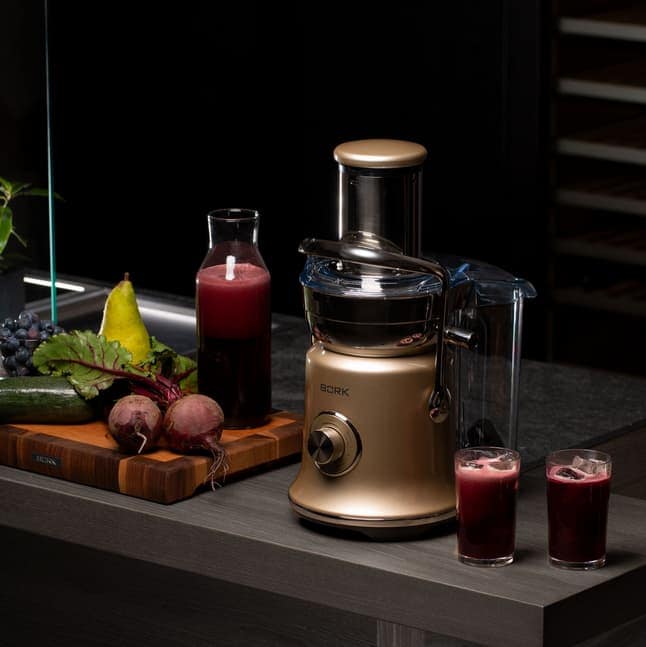
At first glance, the world of household and computer equipment seems to be two completely different areas, each of which requires its own approach and skills. However, if you pay attention to the intricacies of repairing devices, you can notice amazing parallels. Of particular interest are the common features in the repair of such seemingly unrelated things as juicers and laptops. Despite the obvious differences in their functionality, both of these devices have one thing in common – a technological approach to maintenance and repair.
1. Diagnostics: the key to successful repair
Let’s start with the fact that both a laptop and a juicer require thorough diagnostics to identify problems. For a computer, diagnostics often includes the use of specialized software that checks the state of the system, identifies failures in the processor, RAM or storage device. For a juicer, diagnostics also have their own specifics: the electric motor, auger, filters and other components that may fail are checked.
In both cases, it is important not only to notice the problem, but also to determine exactly which part of the device requires attention. For example, if a laptop overheats, this may indicate problems with the cooling system, and if the juicer does not give the desired juice output, the cause may be a clogged filter or a motor malfunction.
2. Using technology to optimize performance
Upgrading and improving the performance of the device is another area where the similarities between laptops and juicers become obvious. In the case of a laptop, users often upgrade components (for example, installing an SSD instead of a hard drive or adding RAM), which significantly improves its performance. In the same vein, modern juicers are equipped with electronic control systems that regulate the spin speed, optimize processes and extend the life of the device.
Some more complex juicer models use built-in sensors to monitor the operation of the device. For example, they can automatically adjust the speed depending on the type of fruit, which helps avoid overheating or overloading the motor. In this regard, laptops and juicers are becoming increasingly “smart” devices, giving users the opportunity to improve and adapt them to their needs.
3. Disassembly and cleaning: details matter
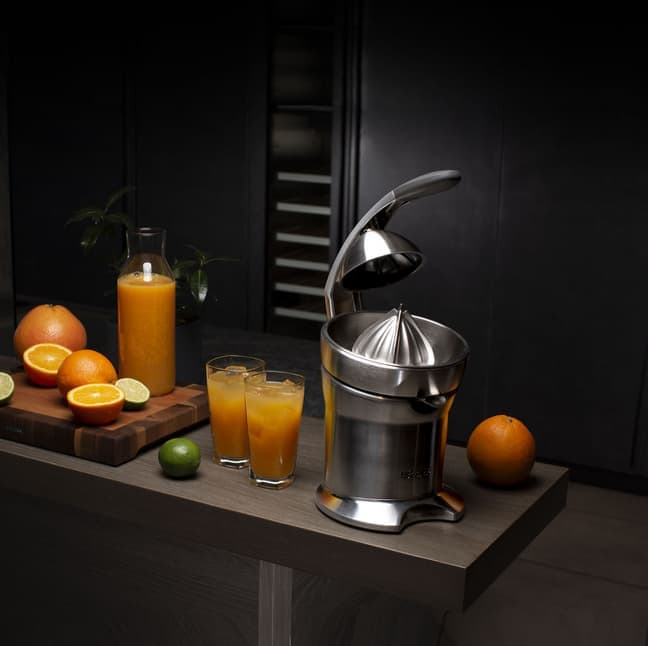
Repair and maintenance of both types of equipment usually includes disassembly and cleaning. For laptops, this may include cleaning dust from the inside of the case or replacing thermal paste on the processor. In the case of juicers, a similar process may include disassembling and cleaning the auger, filters, motor parts from fruit or vegetable residue.
It is important to note that in both cases, disassembly requires not only a technical understanding of the device, but also accuracy. Incorrect disassembly can lead to damage to components, which will make further repairs impossible or too expensive. In addition, like a laptop, a juicer can be sensitive to contamination – juice residue, if not removed, can lead to corrosion or failure of some parts of the device.
4. Technological innovations in repair
Innovations in the field of repair also find their place in both juice making equipment and computers. For example, modern services offer diagnostics and repair of laptops using specialized applications or cloud services that help to accurately localize the breakdown. Similar approaches exist for juicers: some manufacturers offer remote diagnostics of the device, using sensors or microprocessors to monitor the condition.
Also, if a laptop may require replacement of specific parts, such as a screen matrix, video card or keyboard, then juicers may need replacement of parts, such as filters, augers or motors. In both cases, technology allows not only to repair the device, but also to upgrade it, improving performance or extending its service life.
5. Prevention: Regular Maintenance of Equipment
Prevention is another aspect that unites both of these categories of equipment. Just as it is important for a laptop to regularly update the operating system, clean the system from garbage and viruses, it is also important for a juicer to carry out regular maintenance. This includes cleaning all parts of the device, checking the condition of the electric motor and augers, and replacing worn parts. Failure to follow these recommendations may lead to a decrease in the performance of the device or its breakdown.
Conclusion:
Repairing a laptop and a juicer, despite the obvious differences in their functionality, are in fact very similar. Both require a technological approach, attentiveness, knowledge of the device and proper diagnostics of the problem. Disassembly, cleaning, diagnostics, modernization – all these processes resemble each other and emphasize the importance of a careful and technically competent approach to servicing any devices, be it a computer or household appliances. Ultimately, both of these areas require an equally attentive and technologically savvy approach to maintain their performance at a high level.
